
BMW Plans Hydrogen Fuel Cell Production Starting in 2028
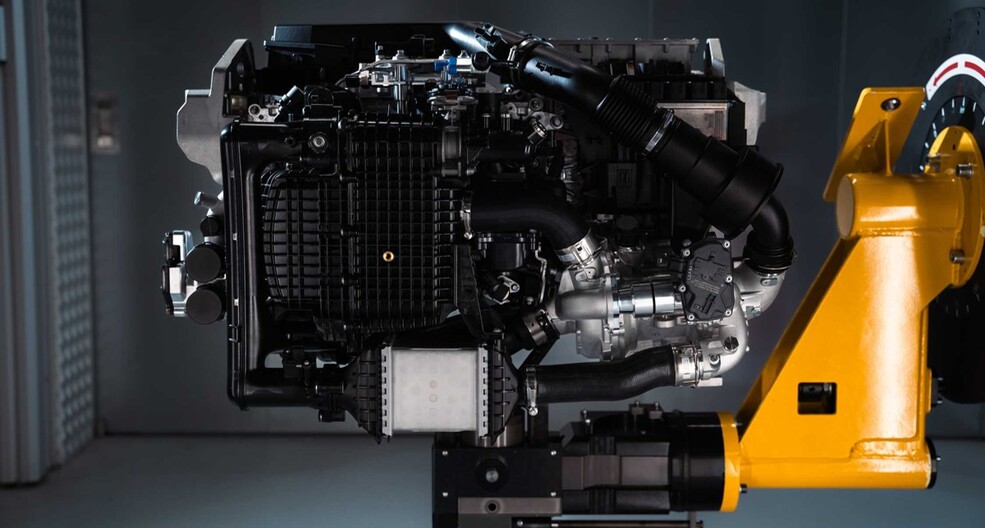
The BMW Group is preparing to begin series production of hydrogen fuel cell systems at its Steyr plant in Austria, starting in 2028. This will mark the third generation of the company’s hydrogen powertrain technology. Prototype systems are currently being developed at BMW’s hydrogen competence centers in Munich and Steyr, while the Landshut facility is set to supply additional components for the new drive systems.
Next generation fuel cell system in corporation with Toyota
According to BMW, the third generation of its fuel cell technology is designed to be more compact, efficient, and easier to integrate into future vehicle architectures. Compared to the previous version, the system requires about 25% less installation space, offers higher power density, and benefits from improved efficiency through optimized components and operating strategies. These advances are intended to support longer range and lower energy consumption.
BMW has worked with Toyota Motor Corporation on hydrogen technology for more than a decade. The first generation of BMW’s hydrogen drive, introduced in 2014, relied entirely on Toyota systems. The current BMW iX5 Hydrogen uses a second-generation BMW-developed system with Toyota-supplied fuel cells. The two companies are now collaborating on the third generation, targeting both passenger and commercial vehicles.
Upgrading the Steyr plant for the production of fuel cell systems
At BMW’s Munich competence center, prototypes are being produced and tested. The facility focuses on developing production methods, ensuring quality, and scaling up the technology for industrial use. The fuel cell system not only includes the cells themselves but also subsystems for cooling, hydrogen supply, and air management. The Steyr plant, which already manufactures internal combustion engines and electric motors, is being prepared for hydrogen fuel cell production with new test benches, production equipment, and facility upgrades.
Additional components will come from BMW’s Landshut site. From 2026, Landshut will begin producing the “BMW Energy Master,” a control unit that manages energy supply in hydrogen vehicles and integrates with the high-voltage battery. The plant will also continue producing housings and pressure plates for future hydrogen-powered vehicles, as it did for the iX5 Hydrogen pilot fleet. With this initiative, BMW is expanding its range of powertrain options and reinforcing its commitment to multiple technologies for future mobility.
Source
Downloads
Hier informieren wir regelmäßig über alle wichtigen Entwicklungen im Bereich des Wasserstoffs, der Brennstoffzelle und des Elektrolyseurs.
Whitepaper: In-line Viscosity Measurement
Download a white paper on innovative solutions in the areas of real-time process monitoring and quality assurance
