
Expansion of H2FUTURE Hydrogen Pilot Plant in Linz: voestalpine and VERBUND Launch Follow-up Project
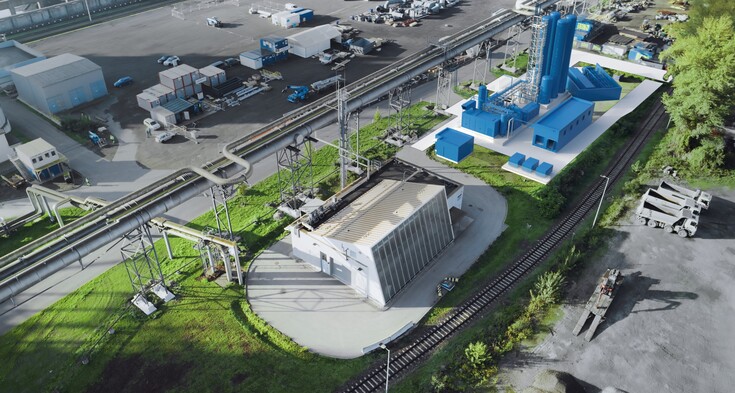
The companies voestalpine and VERBUND are continuing their collaboration in green hydrogen technology by expanding the existing H2FUTURE pilot plant in Linz, Austria. In operation since 2019, the facility is considered one of the longest-running proton exchange membrane (PEM) electrolysis plants in the world. The newly launched expansion includes additional infrastructure for the compression, purification, storage, and loading of green hydrogen. Specifically, the existing system will be extended with five hydrogen storage tanks as well as compression and purification units. The investment volume for the joint research project amounts to approximately EUR 16.4 million.
Usage of hydrogen for the production of green steel
The follow-up project, titled H2FUTURE-Follow-up, aims to build on previous research in hydrogen production, with a particular focus on the gas’s purity and pressure. The green hydrogen produced will be stored in the newly installed tanks until it is ready for further use. Preparatory work has been underway for two years, and installation of the new systems is currently in progress. Functional testing is scheduled to begin in January 2026, with initial research results expected by the end of that year. The project is planned to run until December 2029.
voestalpine intends to use the hydrogen produced in further internal research projects. As part of its greentec steel strategy, the company plans to commission one electric arc furnace powered by green electricity at each of its Linz and Donawitz sites starting in 2027, replacing two coal-based blast furnaces. The company aims to achieve net-zero CO₂ emissions in steel production by 2050.
Generation of several hundred tonnes since commissioning
Within the project, VERBUND is focusing on the production and processing of hydrogen under fluctuating conditions. With a storage capacity of up to one tonne of hydrogen, the system is designed to buffer production fluctuations and ensure a stable supply for end users.
The H2FUTURE facility in Linz consists of 12 stacks, each with 50 electrolysis cells, and has a connection capacity of six megawatts. It can produce up to 1,200 cubic meters of green hydrogen per hour and has generated several hundred tonnes since commissioning. In addition to hydrogen production, the facility is also used to study grid stabilization by balancing frequency fluctuations caused by the variable availability of renewable energy sources.
Source
Downloads
Hier informieren wir regelmäßig über alle wichtigen Entwicklungen im Bereich des Wasserstoffs, der Brennstoffzelle und des Elektrolyseurs.
Whitepaper: In-line Viscosity Measurement
Download a white paper on innovative solutions in the areas of real-time process monitoring and quality assurance
