
Germany Advances Green Hydrogen with Construction Starts in Hamburg and Emden at a combined size of 420 MW
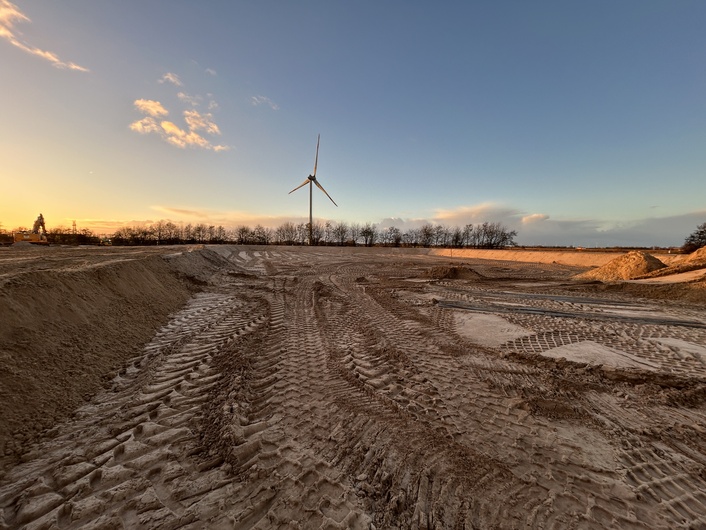
Germany's push toward a hydrogen-based economy gained momentum this week as construction began on two significant electrolyser projects. In Hamburg, officials laid the foundation stone for a 100-megawatt facility aimed at producing green hydrogen from renewable sources. Meanwhile, in Emden, energy provider EWE marked the official start of building a larger 320-megawatt plant, part of a broader initiative to integrate hydrogen production, storage, and transport along the northwest coast.
Hamburg Green Hydrogen Hub
The Hamburg project, known as the Hamburg Green Hydrogen Hub (HGHH), transforms the site of the former Moorburg coal-fired power plant into a hub for sustainable energy. Hamburg's First Mayor Peter Tschentscher, along with environmental and economic senators, participated in the December 1 ceremony, embedding a time capsule to symbolize the shift from fossil fuels to renewables. The facility, developed by a consortium of Hamburger Energiewerke and investor Luxcara, will use a Siemens Energy electrolyser to generate about 10,000 tons of green hydrogen annually starting in the second half of 2027. Funded with over 154 million euros from federal and state sources, the project positions Hamburg as a key entry point for hydrogen in northern Europe, with potential expansion to 800 megawatts.
EWE's Emden Electrolyser Initiative
In Emden, EWE AG initiated construction on November 28 for its 320-megawatt electrolyser as part of the Clean Hydrogen Coastline program, one of Europe's largest hydrogen ventures to date. The site will produce green hydrogen from renewable energy for industrial users beginning late 2027, supported by contracts awarded to construction firms Ludwig Freytag, Gebrüder Neumann, and MBN. EWE's CEO Stefan Dohler emphasized the project's role in accelerating market ramp-up, calling for policy reforms like flexible regulations and competitive electricity prices to ensure viability. Integrated with a hydrogen storage cavern in Huntorf and pipeline connections to the national grid, the initiative enhances supply security and links production to demand centers in northwest Germany.
These developments confirm Germany's commitment to hydrogen as a cornerstone of its energy transition, potentially reducing industrial emissions while bolstering economic competitiveness. Challenges remain, including regulatory hurdles highlighted in a recent federal audit report, but the projects signal growing momentum in the sector.
Sources
Downloads
Hier informieren wir regelmäßig über alle wichtigen Entwicklungen im Bereich des Wasserstoffs, der Brennstoffzelle und des Elektrolyseurs.
Whitepaper: In-line Viscosity Measurement
Download a white paper on innovative solutions in the areas of real-time process monitoring and quality assurance
