
Hydrogen ramp-up: RWE calls for pragmatic regulatory reform to close the cost gap
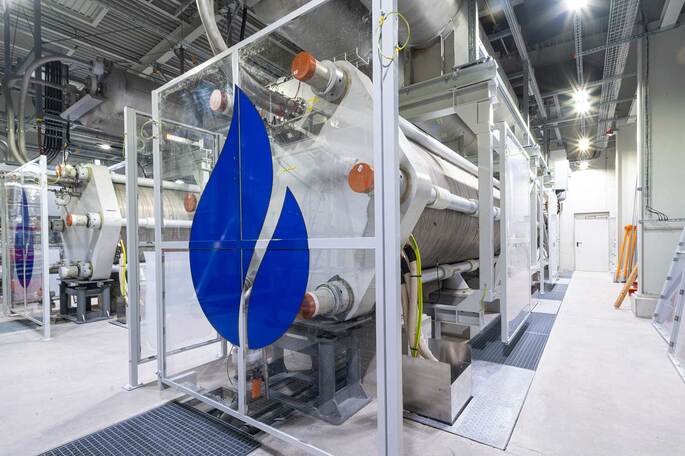
RWE’s recent position paper argues that Europe’s hydrogen market has moved from concept to early execution—yet risks stalling unless policymakers adjust the regulatory framework to make green hydrogen competitive with incumbent grey hydrogen. The company points to tangible progress on projects, infrastructure, and early offtake agreements, while cautioning that expiring transitional measures and restrictive rules could widen the cost gap by 2030.
Progress and groundwork
Early projects and industrial use cases: Pilot deployments are underway in heavy-duty transport, chemicals, steel, and the replacement of grey hydrogen in refineries. RWE highlights its supply contract with TotalEnergies for 30,000 tonnes per year of green hydrogen from Lingen to Leuna as evidence that the market can move beyond pilots.
Infrastructure: Germany’s hydrogen core network is beginning to take shape, with first sections reportedly converted from natural gas to hydrogen. RWE stresses that timely, demand-driven expansion is essential to connect production with industrial demand.
The cost challenge
Despite momentum, RWE contends that the full delivered cost of green hydrogen for new projects could reach about €11/kg by 2030, once capital and operating expenses, electricity prices, grid fees, national levies, transport, and demand-based delivery are accounted for. Against an estimated €3/kg for grey hydrogen (excluding CO2 costs), that gap is prohibitive. Moreover, RWE warns that the expiry of transitional measures—such as exemptions for electrolysers from grid fees and certain levies—and stricter EU rules on qualifying renewable hydrogen could push costs up further.
Levers for cost reduction: EU and national reforms
RWE argues that pragmatic regulatory simplification is the single largest lever to reduce costs, citing two main avenues:
European reform (potential impact: €3–4/kg)
Streamlining RFNBO rules: RWE asserts that the EU Emissions Trading System provides sufficient climate incentives and that the Delegated Act defining stringent RFNBO criteria adds administrative complexity without commensurate benefit. Removing or loosening these criteria could lower costs in Germany by around €2/kg, improve electricity availability for electrolysers, reduce operational risks, and minimize the need for interim hydrogen storage.
Extending electricity price compensation beyond 2030: A permanent extension could strengthen industrial competitiveness and further reduce green hydrogen costs by €1–2/kg from 2030 onward.
National adjustments in Germany (potential impact: more than €3/kg)
Grid fee relief for electrolysers: The current exemption expires for projects starting operation after August 2029. Continuing or adapting this relief to reward system-friendly flexibility could save roughly €2/kg, and similar treatment could apply to electrolytic low-carbon hydrogen.
Extending levy exemptions: Continuing exemptions from the offshore grid levy and CHP levy for plants commissioned after 2030 could yield around €1/kg in savings.
Refining Section 13k EnWG pricing criteria (“use instead of curtailment”): Allowing electrolysers to participate more effectively in this market would encourage grid-friendly operations and reduce costs by approximately €0.5/kg.
According to RWE’s calculations, combined EU and national changes could lower green hydrogen costs from roughly €11/kg to below €6/kg in Germany by 2030.
Stabilizing demand
Cost competitiveness alone will not ensure market growth; demand-side certainty is equally important. RWE points to the national implementation of RED III in the transport sector, extended greenhouse gas reduction targets out to 2040, and the introduction of a sub-quota for RFNBOs that exceeds EU baseline requirements. Together, these policy tools could underpin long-term offtake, particularly in transport and refining, and help trigger more investment decisions.
Accelerating technology and supply chains
While next-generation electrolyser designs promise higher efficiency and lower capital costs, many technologies remain pre-commercial. RWE advocates a targeted R&D program, supported by government and focused on European manufacturers, to de-risk innovation, speed market introduction, and reduce reliance on imported technology. This approach aims to deepen industrial capability while driving down costs over time.
Context and considerations
RWE’s recommendations align with a broader industry push for cost-effective hydrogen deployment, prioritizing heavy industry and specific transport uses where alternatives are limited. The company’s call to ease RFNBO criteria reflects a view that current EU rules on additionality and temporal/geographic correlation can be too restrictive for early market scale-up. However, policymakers will need to balance cost reduction with environmental integrity and market credibility, ensuring that hydrogen certifications remain robust and that public support is predictable, transparent, and time-bound.
Outlook
The press release sketches a pragmatic path: keep building the backbone infrastructure, lock in demand signals, and remove regulatory barriers that inflate costs or increase project risk. If implemented, the proposed measures could bridge much of the cost gap with grey hydrogen and enable larger volumes of domestic production and imports—supporting Europe’s decarbonisation goals in industry and transport. The challenge now lies in aligning EU and national policies quickly enough to sustain momentum as pilot projects scale to commercial operations.
Source:
Downloads
Hier informieren wir regelmäßig über alle wichtigen Entwicklungen im Bereich des Wasserstoffs, der Brennstoffzelle und des Elektrolyseurs.
Whitepaper: In-line Viscosity Measurement
Download a white paper on innovative solutions in the areas of real-time process monitoring and quality assurance
