
Sparc Hydrogen Joint Venture Advances to Stage 2 Pilot Plant for Green Hydrogen
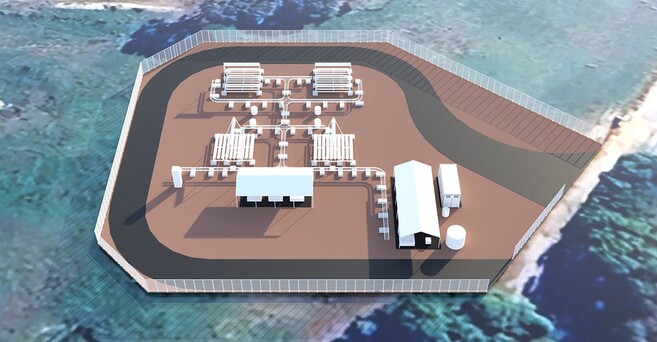
The Sparc Hydrogen joint venture (JV), comprising Sparc Technologies, Fortescue Limited, and the University of Adelaide, has committed to the second phase of its pilot plant project. This initiative aims to develop green hydrogen through a novel photocatalytic water splitting (PWS) technology, which uses sunlight and water without the need for electrolysers or reliance on electricity grids.
Focus on Low-Cost Hydrogen Production
The PWS technology seeks to reduce the costs associated with renewable energy-powered hydrogen production by offering a direct method of splitting water molecules using solar energy. This innovative approach is intended to facilitate the decarbonisation of industries that are traditionally difficult to transition to low-carbon alternatives.
Stage 2 of the project focuses on the construction and testing of the pilot plant, along with ongoing development and laboratory testing of PWS reactors under various conditions. With the front-end engineering and design (FEED) phase now complete, construction is scheduled to begin in early 2025.
The joint venture partners view the decision to proceed with Stage 2 as a significant step, reflecting confidence in the technology’s potential to produce cost-effective green hydrogen.
Progress and Milestones
Key developments in preparation for Stage 2 include:
- Completion of FEED by engineering consultancy Incitias Pty Ltd, confirming the project’s technical feasibility.
- Submission of site planning reports to the Light Regional Council, with approvals anticipated in January 2025.
- Ongoing procurement of essential equipment, including a linear Fresnel concentrated solar system, expected to be delivered by late Q1 2025.
- Finalised designs for the pilot-scale PWS reactors, with manufacturing contractors reviewing the plans.
- Agreements for the supply of photocatalyst materials and site leasing with the University of Adelaide are ready for execution.
Industry Support and Future Prospects
The pilot plant is expected to be operational by mid-2025, enabling testing of reactor designs and photocatalyst materials under concentrated solar conditions. The facility could serve as a global hub for scaling and testing PWS technology, as no comparable sites are currently known worldwide.
Fortescue Limited’s director of research and development, Michael Dolan, emphasised the importance of this innovation, stating, “This Australian technology has the potential to make green hydrogen more competitive by decoupling its cost from renewable power.”
University of Adelaide Deputy Vice-Chancellor (Research) Professor Anton Middelberg highlighted the significance of this investment in advancing hydrogen technologies and enhancing South Australia’s position in the field.
Source
Downloads
Hier informieren wir regelmäßig über alle wichtigen Entwicklungen im Bereich des Wasserstoffs, der Brennstoffzelle und des Elektrolyseurs.
Whitepaper: In-line Viscosity Measurement
Download a white paper on innovative solutions in the areas of real-time process monitoring and quality assurance
